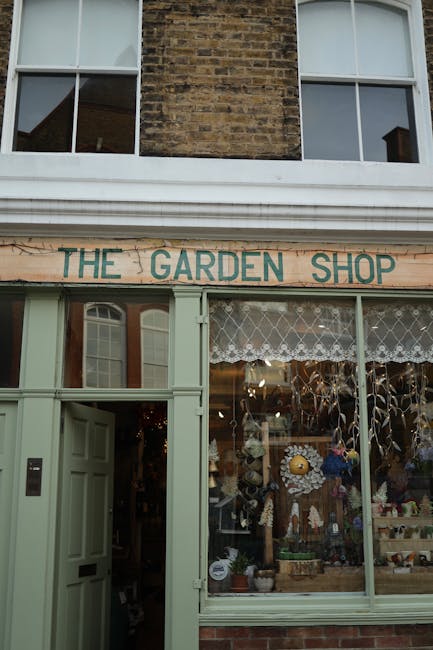
High Street Harlesden gardeners guide to tiny city gardens
If you live near High Street Harlesden, chances are your garden is less "country retreat" and more compact outdoor pocket with a bit of everything squeezed in. That is not a problem. In fact, tiny city gardens can be some of the most satisfying spaces to design, because every choice matters. This High Street Harlesden gardeners guide to tiny city gardens is built for real-life London plots: narrow yards, overlooked courtyards, small patios, postage-stamp lawns, and those awkward spaces that always seem to collect a wheelie bin, a bike, and half a plant pot.
The aim here is simple: help you make a small space feel calmer, greener, and easier to live with. We will look at what works, what does not, where people usually go wrong, and when it makes sense to bring in professional help such as garden maintenance, landscape gardening, or a tidy-up through garden clearance. A tiny garden can absolutely work hard for you. It just needs a slightly smarter plan.
Expert summary: small gardens succeed when structure, storage, planting, and maintenance all support each other. If one part is overcomplicated, the whole space starts to feel smaller. Keep the design light, the plant choices disciplined, and the upkeep realistic.
Why High Street Harlesden gardeners guide to tiny city gardens Matters
Tiny gardens do not fail because they are small. They fail because they are treated like large gardens in miniature. That sounds obvious, but it catches people out all the time. A few extra pots, a fast-growing hedge, one too many awkward corners, and suddenly the space feels cramped, dark, and oddly high-maintenance.
In a busy part of London, a small garden is often doing several jobs at once. It might be a place to dry washing, grow herbs, sit with a cup of tea, store tools, and give children or pets a bit of space. If the layout is wrong, all those uses fight each other. If it is right, even a very modest plot can feel restful and useful.
That is why local knowledge matters. Harlesden gardens often deal with shade from neighbouring buildings, hard surfaces that reflect heat, and a need for privacy without turning the whole thing into a dense green wall. You need choices that are visually light but still practical. Not everything has to be lush and full. Sometimes the cleverest garden is the one that knows when to breathe.
For many households, the first step is not planting at all. It is sorting the existing space. A compact garden that has become cluttered with old planters, broken timber, or uneven growth can benefit from a reset before any design work begins. That is where proper clearance and maintenance come in. A fresh start can make a tiny area feel almost twice as usable. Almost. Not magic, just sensible planning.
How High Street Harlesden gardeners guide to tiny city gardens Works
The basic principle is to design from the outside in. Start with the boundaries, the routes you use, the amount of light you actually get, and the jobs you want the garden to perform. Then choose materials and plants that fit those limits. Too many people do the reverse: they buy lovely things first, then try to force them into a space that cannot support them.
A tiny city garden usually works best when it has four layers:
- Structure: paths, edges, seating, screens, and any raised level or decking.
- Function: storage, access, dry areas, and clear movement through the space.
- Planting: a restrained but attractive mix of evergreen and seasonal plants.
- Maintenance: a routine that keeps the garden tidy without eating your weekends.
The structure is the skeleton. The planting is the personality. Maintenance keeps the whole thing alive. Leave out any one of those and the space starts wobbling a bit.
In practice, this means choosing features that create the impression of order. A narrow strip of decking services can make a garden feel calmer than a patchy lawn. Careful hedge trimming can open up light and sightlines. A simple run of containers can turn a bare wall into a strong focal point without taking up much floor space. Small garden design is often about restraint, not abundance.
Key Benefits and Practical Advantages
A well-planned tiny garden gives you more than just something pleasant to look at. It changes how the property feels and how easy it is to live with day to day.
- Better use of space: every square metre has a purpose, so nothing feels wasted.
- Less visual clutter: cleaner lines and simpler planting make the area seem larger.
- Easier upkeep: a controlled layout reduces the amount of weekly work.
- More privacy: smart screening can soften neighbouring views without blocking light.
- Improved outdoor living: even a small seat, table, or bench becomes genuinely usable.
- Stronger kerb-to-home feel: a neat back garden often improves the whole property's atmosphere.
There is also a quieter benefit that people only notice after a while: the garden stops nagging at you. You know the feeling. You look out, see a jumble, and mentally add it to the list of things you will get round to later. A compact, tidy garden tends to remove that low-level stress. Not glamorous, but very real.
For homes with children, elderly relatives, or busy schedules, a small space that is easy to maintain can be more valuable than a larger garden that always feels half-finished. If the space is practical, you will actually use it. That matters more than impressive plant lists or trendy design ideas.
Who This Is For and When It Makes Sense
This approach suits anyone managing a small outdoor space in a dense urban setting. If you are on High Street Harlesden or nearby and your garden feels tight, shaded, overlooked, or just a bit cluttered, you are in the right place.
It is especially useful if you are:
- a homeowner trying to make a compact rear yard feel more usable
- a landlord wanting a tidy, durable garden that is easy to explain and maintain
- a tenant with a patio or small garden that needs straightforward care
- someone preparing a property for sale or letting
- a busy family who wants greenery without constant weekend work
It also makes sense if the garden has become overgrown or fragmented. In many London homes, there is a moment when the space is no longer a garden in the proper sense. It is just a collection of things outdoors. That is usually the point to pause, clear it back, and decide what you actually want the space to do.
If you are not sure whether to start with design or maintenance, start with maintenance. You cannot shape a good plan around a garden that is hiding under weeds and old debris. A professional tidy-up through garden maintenance or a bigger reset through garden clearance often reveals the true shape of the space. And that is usually a relief.
Step-by-Step Guidance
Here is a practical route for turning a tiny city garden into something calmer and more functional.
1. Measure the usable space, not just the boundary
Walls, fences, doors, bins, steps, and storage all affect how the garden actually works. Measure the areas you can comfortably walk on, sit on, or plant in. In small gardens, even a 30 cm strip can matter.
2. Decide the garden's main job
Ask yourself what the space should prioritise. Is it for sitting, growing, privacy, pets, or easy maintenance? A garden that tries to do everything often ends up doing nothing particularly well. Ruthless choices are healthy here.
3. Clear out the clutter first
Remove broken pots, dead growth, unused timber, and anything that blocks movement. This is the easiest way to create instant breathing room. If the garden has built-up waste or dense overgrowth, a garden clearance service can save a lot of time and effort.
4. Work vertically
When floor space is tight, use walls, fences, and railings. Trellises, climbing plants, and wall-mounted planters can add depth without crowding the ground. Just do not overdo it. Vertical features should frame the space, not swallow it.
5. Choose a simple material palette
Use fewer materials, not more. A small garden usually looks better with one main paving tone, one timber finish, and a limited number of pot styles. Too many textures can make the space feel busy. Busy is not the same as lively.
6. Keep planting disciplined
Pick plants that suit the light levels and do not need constant fighting back. In a tiny city garden, the best planting schemes are usually layered but controlled: one or two focal shrubs, some softer fillers, and a few seasonal highlights. If you want more ambitious planting, professional landscape gardening support can help shape the overall plan.
7. Make maintenance realistic
If a garden needs major attention every weekend, it will stop feeling like a benefit. Build in jobs you can handle. For many people that means occasional mowing, seasonal trimming, and a tidy-up every few weeks. A good routine matters more than perfect planting. Truth be told, perfection is a trap.
Expert Tips for Better Results
Small gardens reward detail. They also punish overconfidence, which is not always fair but there we are.
Use repetition carefully. Repeating the same plant, pot shape, or colour can make a tiny garden feel coherent. That coherence is what creates the sense of calm. You do not need a hundred different species. You need a few good ones used well.
Keep sightlines open. If you can see the end of the space, it feels larger. A low bench, a narrow border, or a transparent screen is often better than a solid block of planting. If privacy matters, choose screening that filters the view rather than walling it off completely.
Think in layers of height. Low groundcovers, mid-height shrubs, and one or two taller elements can add depth. The trick is moderation. A tiny space filled with only low planting can feel flat; one packed with tall plants can feel claustrophobic.
Do the simple things well. Straight edges, clean pot placement, and clear access to doors make a huge difference. People often chase "design" while missing the basics. A tidy line along the fence can change the whole feel of the garden by itself.
Consider hard landscaping where it earns its keep. In some tiny gardens, a small decked sitting area works better than trying to maintain a patchy lawn. If that suits your layout, decking services can provide a practical surface that feels warm and usable.
Plan for shade and water. Urban gardens can dry out fast in sunny spots and stay damp in sheltered ones. That means plant choice, drainage, and watering habits all need to match the microclimate. If a pot always looks thirsty by Tuesday morning in July, that is telling you something.
Common Mistakes to Avoid
Most tiny garden problems come from a few predictable missteps. Avoid these and you are already ahead of the curve.
- Overfilling the space: too many containers, ornaments, and plant species make the garden feel cramped.
- Choosing fast growers without a plan: some plants quickly outgrow small gardens and create constant trimming work.
- Ignoring access: if you can barely move around the garden, it will be awkward to use and harder to maintain.
- Using large, heavy furniture: bulky tables and chairs can dominate a modest plot.
- Forgetting seasonal change: a garden that looks fine in June may feel bare or muddy in winter if you have not planned ahead.
- Letting maintenance slip: in small spaces, a little neglect shows quickly.
Another common issue is trying to solve privacy by piling in dense shrubs or tall fencing everywhere. Sometimes that works. Sometimes it turns the garden into a gloomy box. A better answer is often selective screening, one focal screen, or layered planting that softens rather than blocks.
And yes, I have seen tiny gardens where the bins were effectively the centrepiece. Not ideal. Small changes can sort that out, thankfully.
Tools, Resources and Recommendations
You do not need a warehouse of kit to look after a tiny city garden. A focused toolkit is usually better.
- Hand pruners or secateurs: for neat trimming of smaller stems and dead growth.
- Lightweight spade or trowel: for containers, border work, and simple planting.
- Hose, watering can, or compact irrigation setup: useful for dry spells and container gardens.
- Gloves and a small rake: helpful for clearing debris and keeping surfaces neat.
- Sharp shears: for light shaping of hedges or shrubs.
If you prefer to have the space professionally looked after, a regular garden maintenance arrangement can be a sensible option. It is especially useful for keeping edges clean, checking plant health, and stopping the garden from slipping into that "I will deal with it next weekend" cycle.
For ongoing planning, the best resources are your own observations. Note where the sun lands, where water sits after rain, and which areas get used most. A garden can look good on paper and still feel awkward in real life. The real test is how it behaves on a Tuesday evening with the bins out and the light fading. That is the one that counts.
Law, Compliance, Standards, or Best Practice
For most small private gardens, the main issue is not formal regulation but sensible practice. Still, there are a few things worth keeping in mind.
Tree and hedge work: If your garden includes larger trees or substantial hedging, check ownership, boundaries, and whether any work may affect neighbouring property. Some tree work should be approached carefully, especially where branches are near fences, sheds, or shared access. Professional help through tree lopping and removal may be appropriate if the job is beyond simple pruning.
Waste handling: Garden waste should be managed responsibly. Green waste, timber, and soil often need different handling, and good operators will think about disposal and recycling properly. If sustainability matters to you, it is worth asking how waste is dealt with and whether materials can be reused or recycled. The company's recycling and sustainability approach may be relevant here.
Safety: Sharp tools, ladders, and heavy materials can cause accidents, even in a small garden. Good practice means clear work areas, sensible storage, and proper caution around wet surfaces or unstable ground. If someone is working on your property, their insurance and safety arrangements matter too. It is not glamorous, but it is reassuring.
Working near shared boundaries: Be considerate with noise, overhanging growth, and access. In London, neighbours are close enough that a small mistake becomes a shared annoyance. A tidy, respectful approach usually prevents trouble before it starts.
It is also sensible to check the provider's policies on matters such as payment, complaints, and insurance. Those details might feel boring at first glance, yet they are a good sign that the business is organised and accountable. If you are comparing options, pages like pricing and quotes, insurance and safety, and terms and conditions can help you understand expectations before work begins.
Options, Methods, or Comparison Table
There is no single right way to manage a tiny garden. The best method depends on your space, budget, and how much time you want to spend on upkeep. Here is a simple comparison.
| Approach | Best for | Strengths | Trade-offs |
|---|---|---|---|
| Minimal hard landscaping | Very small patios and yards | Easy to maintain, clean look, simple movement | Can feel plain if planting is too limited |
| Container-led garden | Renters or flexible layouts | Easy to rearrange, strong visual impact, good for seasonal colour | Needs regular watering and feeding |
| Structured planting beds | Permanent homes with some soil area | Gives softness, depth, and seasonal variety | Requires more pruning and border care |
| Mixed deck and planting design | Gardens used for sitting and entertaining | Balances hard surface with greenery, practical and attractive | Can be costlier and needs good planning |
If the space is very awkward, a blend of methods is often best. A small decked corner, a compact planting strip, and a few well-chosen containers can beat a more ambitious scheme that looks great only in photos. Let's face it, photos don't weed themselves.
Case Study or Real-World Example
Consider a narrow Harlesden garden with a worn patch of lawn, a shaded back corner, and a cluttered run of old pots along the fence. It looked bigger in winter only because nothing much was growing. By late spring, it felt tight and messy.
The first move was to clear the dead material and trim back the oversized shrubs. That alone created light and made the back wall visible again. Next, the layout was simplified: one sitting area near the house, a cleaner border on one side, and a small vertical feature on the other. The old lawn was reduced because it was more trouble than it was worth. In its place came a practical surface with a few large containers.
What changed most was not the size of the garden but the feeling of it. The owner stopped avoiding the view from the kitchen door. Watering became easier. The space could be used on a dry evening without first moving three things out of the way.
That is the quiet win in tiny gardens. You do not need dramatic transformation. You need a space that works without friction. Small improvement, repeated in the right places, adds up fast.
Practical Checklist
Use this quick checklist before you start any tiny garden project.
- Measure the usable area, not just the boundary lines.
- Decide the garden's main purpose.
- Remove clutter, dead growth, and broken items.
- Check where the light falls during the day.
- Choose a simple material palette.
- Keep the number of plant types manageable.
- Leave enough room to walk, sit, and work.
- Plan for watering and seasonal maintenance.
- Think about privacy without blocking all the light.
- Review safety, waste handling, and access needs.
- Set a maintenance routine you can actually keep.
If you are staring at the space feeling a bit stuck, start with the first three items. They usually unlock the rest.
Conclusion
A tiny city garden on or near High Street Harlesden can be a brilliant space when it is planned with honesty and care. The goal is not to cram in as much as possible. It is to make the space feel useful, calm, and easy to live with. That means clearer structure, smarter planting, and maintenance that suits real life rather than ideal life.
Start with what the garden needs most: a proper clear-out, a sensible layout, and a few decisions made with discipline. Then build from there. Small gardens are often better than big ones at showing character, because nothing is hidden. Every choice is on display, for better or worse. Luckily, that also means every good choice makes a visible difference.
Get a free quote today and see how much you can save.
If you would like help shaping a compact outdoor space, exploring services overview options or speaking directly through contact us is a practical next step. And if you want to understand the team behind the work, the about us page gives a little more background. Either way, a small garden deserves proper attention. Quietly, it can become one of the best parts of the home.
Frequently Asked Questions
What makes a tiny city garden different from a normal garden?
A tiny city garden usually has less floor space, more hard edges, more shade or overlooked boundaries, and less room for bulky planting. That changes everything. You need a design that works in layers and keeps the layout simple enough to maintain.
How do I make a small garden look bigger?
Use fewer materials, keep sightlines open, and avoid overcrowding the space with too many pots or plant types. Light colours, low-profile furniture, and a clear central run can help the garden feel more open. A clutter-free edge does a lot of work here.
Is decking a good idea in a tiny garden?
Yes, often it is. A small decked area can create a clean, usable surface for seating and reduce the visual busyness of patchy ground. It works especially well where lawn is difficult to keep healthy or where the garden gets frequent foot traffic.
What plants work best in a compact London garden?
Plants that suit the light level, stay reasonably controlled, and give year-round structure usually perform best. Evergreen shrubs, compact ornamental grasses, climbers, and a few seasonal highlights are often more practical than an overcrowded mix of large growers.
How often should a tiny garden be maintained?
That depends on the planting and layout, but small gardens often benefit from light attention every couple of weeks during the growing season. Edges, pots, and fast-growing shrubs can make a space look untidy quickly if they are left alone too long.
Do I need professional help for a very small garden?
Not always, but it can be worthwhile if the space is overgrown, awkwardly laid out, or difficult to start from scratch. Professional help can save time on clearance, design decisions, and recurring maintenance. It is especially useful if you want a long-term plan rather than a one-off tidy.
What should I do first if my garden is completely cluttered?
Start by removing rubbish, dead material, and anything you no longer need outdoors. Once the space is visible again, it becomes much easier to decide what to keep, what to repair, and what to change. A clear-out often reveals the real shape of the garden.
How can I create privacy without making the garden dark?
Use selective screening, layered planting, or a single focal barrier rather than enclosing every side. The aim is to soften views, not block all light. In small gardens, too much screening can make the space feel smaller than it really is.
Are low-maintenance gardens boring?
Not at all. Low-maintenance simply means the design is working with your lifestyle instead of against it. A calm layout, a few good plants, and clear surfaces can look elegant and feel far more usable than a busy garden that constantly needs attention.
How do I choose between garden clearance and garden maintenance?
If the space is heavily overgrown, cluttered, or full of old debris, clearance is usually the better starting point. If the garden is already reasonably tidy but needs regular upkeep, maintenance makes more sense. Sometimes you need both, just in the right order.
What is the biggest mistake people make with tiny gardens?
Trying to fit in too much. Too many plants, too much furniture, too many materials, too many ideas. Small gardens need discipline. Once you remove the excess, the whole space often feels twice as good without actually changing size.
Can a tiny garden still feel welcoming?
Absolutely. In fact, small gardens often feel more intimate when they are well planned. A comfortable seat, a little greenery, and one or two well-chosen features can make the space feel warm and personal. That human scale is part of the charm.
What should I ask before hiring a gardener for a small garden?
Ask about their approach to planning, maintenance, waste handling, safety, and pricing. It also helps to know whether they can handle both the tidy-up and the longer-term care. A clear, practical conversation at the start saves hassle later on.