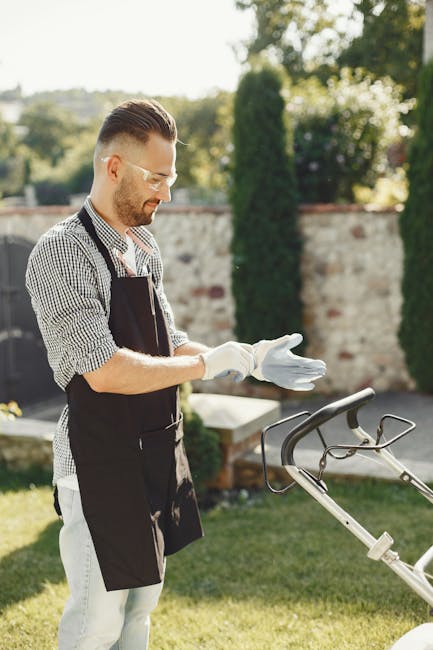
Same day gardeners in NW10 urgent lawn rescue service
If your lawn has gone from tidy to tangled in a matter of days, or a storm has left it flattened, waterlogged, or just plain embarrassing, you are probably looking for help fast. That is exactly where a Same day gardeners in NW10 urgent lawn rescue service makes sense. It is the practical, no-nonsense answer when the garden cannot wait until next week. Maybe you have visitors coming. Maybe the front garden has become unmanageable. Or maybe the grass has grown so unevenly that every glance out of the window feels like a small personal insult. Let's face it, gardens do not always give you time to plan ahead.
This guide explains what urgent lawn rescue actually involves, when it is worth booking, what a good same day response should include, and how to avoid rushed fixes that create more problems later. You will also find a clear checklist, a comparison table, and realistic advice that helps you decide your next step without guesswork.
Table of Contents
- Why urgent lawn rescue matters
- How same day lawn rescue works
- Key benefits and practical advantages
- Who this is for and when it makes sense
- Step-by-step guidance
- Expert tips for better results
- Common mistakes to avoid
- Tools, resources and recommendations
- Law, compliance, standards and best practice
- Options and comparison table
- Case study or real-world example
- Practical checklist
- Conclusion
- Frequently asked questions
Why Same day gardeners in NW10 urgent lawn rescue service Matters
A lawn can slip into trouble quicker than most people expect. One wet spell, a few missed cuts, a burst of warm weather, or a patch of compaction near a path can turn an otherwise decent garden into a patchy mess. In NW10, where many gardens are compact, shaded, and shaped by busy urban living, lawn problems tend to show up fast and feel more obvious than they might in a larger suburban garden.
Urgent lawn rescue matters because timing changes the outcome. A lawn left too long can become harder to mow, more vulnerable to scalping, and more likely to suffer from disease, weeds, moss, and root stress. If the grass is very long, wet, or flattened, mowing it badly can leave clumps, torn tips, and bare patches. Not ideal, and honestly a bit frustrating when the job looked simple from the start.
Same day help is not just about appearances. It is often about preventing the garden from sliding into a bigger recovery job. A quick response can reduce the risk of further damage, restore usable space, and stop a minor issue from becoming a multi-week headache. If you are preparing a property for sale, tenancy handover, a family gathering, or even just wanting your outdoor space back, the value is immediate.
In our experience, people often call for urgent help when they are already feeling behind. The good news is that a fast, focused visit can make a visible difference in a single afternoon. That first reset matters. Very much so.
How Same day gardeners in NW10 urgent lawn rescue service Works
A proper same day lawn rescue service is usually more structured than a simple "quick mow." Good gardeners do not just turn up and cut; they assess what the lawn actually needs in the time available. That assessment guides the work, which may include mowing, edging, strimming, clearing clippings, dealing with debris, and identifying whether follow-up care is needed.
The process often starts with a short phone call or enquiry. You explain the issue, share the address in NW10, and describe what the lawn looks like. Is it overgrown? Waterlogged? Covered in leaves? Has a hedge dropped debris across the grass? The better the initial description, the more realistic the same day plan can be. If access is awkward or there is a locked side gate, mention that too. Saves everyone a bit of hassle.
On arrival, the gardener will usually check:
- Grass height and density
- Moisture levels in the turf
- Obstructions such as toys, branches, or hidden stones
- Whether the lawn can be safely cut in one pass or needs staged work
- Edging and boundary condition
- Any signs of disease, patchiness, moss, or compaction
From there, the job may be split into rescue and recovery. Rescue means making the lawn neat, safe, and manageable now. Recovery means improving its condition over the following weeks through repeat maintenance, feeding, scarifying, aeration, or other longer-term care if appropriate. If the garden needs broader attention, it can help to look at garden maintenance as a more regular follow-up option, or lawn mowing for ongoing care once the crisis has passed.
Sometimes the lawn is only part of the story. If the space is cluttered with cuttings, dead plant matter, or old garden waste, a gardener may suggest combining the visit with garden clearance. That can make a big difference, because the lawn can breathe again. A lawn under piles of debris is never really getting a fair chance.
Key Benefits and Practical Advantages
The most obvious benefit is speed. Same day response means you are not waiting around while the grass gets longer, wetter, and more difficult to manage. But speed is only part of the story. A good urgent lawn rescue service also brings judgement, equipment, and a cleaner finish than a rushed DIY job.
- Immediate visual improvement: A long or messy lawn can often be transformed in one visit.
- Reduced risk of damage: Cutting at the right height and pace helps protect the turf.
- Safer outdoor space: Overgrowth can hide slippery areas, holes, debris, or uneven edges.
- Better kerb appeal: Useful if you are expecting guests, tenants, buyers, or trade visitors.
- Less stress: Sometimes you simply need the job handled properly and quickly.
- Clear next steps: A decent gardener will tell you whether the lawn needs follow-up care or a longer-term fix.
There is also a confidence factor. You know the work has been handled by someone who understands how not to shock the lawn with an aggressive cut. That matters, especially after rain or a period of rapid growth. A lawn can look neat today and look worse in ten days if it was handled badly. Bit of a false economy, that.
If the rescue work forms part of a bigger garden refresh, you may also benefit from related services like hedge trimming, tree lopping and removal, or even broader landscaping where the garden needs more than mowing alone.
Who This Is For and When It Makes Sense
This service suits anyone whose lawn has tipped from "a bit untidy" into "needs attention now." That might be a homeowner dealing with growth after holiday time, a landlord preparing for inspection, a letting agent wanting a cleaner presentation, or a family who has suddenly realised the back garden will be used this weekend and it looks like a small meadow.
It also makes sense for people with limited time, limited mobility, or a garden layout that is fiddly to manage. NW10 properties often have narrow side access, split levels, awkward corners, and shared boundaries. Those details can turn a simple mowing job into a bit of an effort. A same day gardener brings the kit and the experience to handle that without unnecessary drama.
It is also the right choice when the lawn condition is borderline. For example:
- The grass is too long for a regular mower but still salvageable
- Recent rain has left the turf soft and patchy
- Leaves and debris are masking the lawn surface
- There are overhanging shrubs or hedges making the edge look messy
- You need the garden usable by the evening or next morning
On the other hand, if the lawn is suffering from deep damage, severe compaction, standing water, or extensive weeds, same day rescue may only be the first stage. That is fine. Better to be honest about the condition than pretend a single visit can fix every problem. Truth be told, the best results come from a realistic plan.
Step-by-Step Guidance
Here is a sensible way to approach an urgent lawn rescue job without rushing into the wrong fix.
- Describe the problem clearly. Say whether the lawn is overgrown, patchy, debris-covered, or wet. Mention access issues and any time pressure.
- Send a few photos if possible. A couple of clear pictures help a gardener judge grass height, obstacles, and likely work required.
- Check whether the lawn can be safely cut today. If the ground is very soft or the grass is extremely long, the garden may need a careful staged approach.
- Clear loose items. Move toys, furniture, dog bowls, hoses, and anything fragile. It speeds up the visit and reduces the chance of damage.
- Decide the outcome you want. Is the goal a neat rescue cut, a full tidy-up, or a longer-term improvement plan?
- Ask what is included. Clarify edging, clippings removal, waste disposal, and any additional tidying around borders.
- Review the aftercare advice. A good gardener should tell you how long to wait before the next cut, watering advice if relevant, and whether the lawn needs recovery time.
If the garden is part of a wider maintenance issue, you may want to keep an eye on other jobs that tend to affect lawns, like hedging, soil build-up, or neglected borders. A lawn rarely fails in isolation. It usually whispers first, then sulks, then suddenly looks dreadful on a Friday morning. Nature has timing.
Expert Tips for Better Results
There are a few simple things that make urgent lawn rescue work better. None of them are glamorous, but they matter.
- Do not water the lawn right before the visit. Wet grass is harder to cut cleanly and can clump more easily.
- Leave the mower height sensible. Cutting too low in one go can stress the grass and expose patches.
- Keep the clippings under control. Heavy clumps left on the surface can smother the turf beneath.
- Ask for the edges to be finished properly. A neat edge changes the whole look of a lawn, even if the grass itself is not perfect yet.
- Book follow-up maintenance if the garden grows quickly. Fast-growing lawns often need more than one visit to stay on track.
Another useful tip: if the lawn has become overgrown because the rest of the garden is equally behind, tackle the whole scene rather than one patch in isolation. A smart rescue job often includes paths, borders, hedge lines, and waste removal. Otherwise the freshly cut lawn can look stranded next to everything else. Not terrible, just unfinished.
If you are planning a bigger outdoor improvement later, it may help to explore landscape gardening or services overview so you can think beyond the emergency fix. A lawn rescue gets you out of trouble; a good plan keeps you out of it.
Common Mistakes to Avoid
Urgent lawn care often goes wrong because people try to solve a timing problem with the wrong tool or the wrong expectation. Here are the mistakes we see most often.
- Cutting too much at once: Taking too much height off a stressed lawn can leave it looking scalped and thin.
- Ignoring wet ground: Mowing when the soil is sodden can create ruts, slip risks, and a rough finish.
- Leaving debris hidden in the grass: Stones, sticks, and toys can damage equipment and cause avoidable issues.
- Expecting instant perfection: Very neglected lawns may need staged recovery, not just one dramatic cut.
- Forgetting aftercare: If the lawn has been stressed, what happens over the next week matters a lot.
- Hiring purely on speed: Same day is useful, yes. But competence still matters more than the clock.
A small but common slip: people sometimes assume every lawn needs a heavy cut, when in fact a gentler pass is the safer choice. The right answer depends on the turf condition, the weather, and what the lawn has been through recently. There is a bit of judgement involved. That is normal.
Tools, Resources and Recommendations
For an urgent lawn rescue, the right kit makes a very visible difference. Most professional gardeners will use commercial-grade or well-maintained domestic tools suited to the job size and access conditions. The exact setup varies, but a practical rescue kit usually includes:
- A mower with adjustable cutting height
- A strimmer or edging tool for borders and awkward areas
- A leaf blower or rake for debris collection
- Clipping bags or waste containers
- Gloves, eye protection, and sturdy footwear
- Basic hand tools for clearing obstacles and tidying edges
For the homeowner or property manager, the most useful preparation is simple: clear access, identify problem spots, and decide whether you need rescue only or rescue plus follow-up. If you are budgeting, it is sensible to check pricing and quotes so you understand what influences cost, such as lawn size, access, overgrowth, disposal, and whether extra tidying is required.
You can also look at ongoing garden maintenance if the lawn tends to fall behind every few weeks. For some households, that is the real answer. Not a heroic rescue every month, just a steady rhythm that keeps things under control. Much less stressful.
Law, Compliance, Standards and Best Practice
For most lawn rescue jobs, the key compliance concerns are practical rather than complicated. In the UK, anyone carrying out gardening work should follow sensible safety practices, use equipment properly, and manage waste responsibly. If a job involves powered tools, sharps, heavy lifting, or awkward access, the work should be handled with care. That sounds obvious, but obvious things are often the ones people skip.
Best practice usually includes:
- Risk-aware use of mower and strimmer equipment
- Clear walkways and safe access to the working area
- Proper handling and disposal of green waste where removal is included
- Respect for neighbours, shared access, and noise considerations
- Awareness of slippery conditions after rain or dew
Where a garden contains trees, high hedges, broken branches, or potentially hazardous debris, the job may need to be separated into lawn work and other services. For example, a low-hanging branch can affect mowing access, while overgrown hedge material can smother a lawn. In those cases, combining lawn rescue with hedge trimming or tree lopping and removal may be the more sensible route.
If you want reassurance around supplier standards, it is fair to check things like insurance, safety approach, payment security, and company policies. These are not glamorous topics, but they matter when you are letting people work on your property. You can review pages such as insurance and safety, health and safety policy, and payment and security to better understand the standards you should expect.
Options, Methods, or Comparison Table
Not every lawn problem needs the same response. Here is a simple comparison to help you choose the right approach.
| Option | Best for | What it does well | Limitations |
|---|---|---|---|
| Same day urgent rescue | Immediate turnaround, guests, inspections, fast visual improvement | Quickly restores order and usability | May not fully solve long-term turf issues |
| Standard mowing visit | Routine upkeep and moderately tidy lawns | Keeps grass at a healthy height with less stress | Not designed for severe overgrowth or time pressure |
| Garden clearance plus lawn tidy | Debris-filled or neglected gardens | Removes obstacles and improves access | Can take longer than a basic mow |
| Maintenance plan | Lawns that repeatedly get out of control | Prevents the same problem coming back | Requires regular scheduling |
A simple rule helps here: if the issue is embarrassment today, urgency matters. If the issue is repeated neglect, a maintenance rhythm matters more. Sometimes both are true, which is annoying but also very normal.
Case Study or Real-World Example
Picture a small NW10 front garden after a wet, warm spell. The grass has shot up, the edges are blurred, and there are clippings from a previous attempt left in little damp piles near the path. Nothing dramatic, but enough to make the whole place feel unmanaged. The homeowner has guests arriving later that day and wants the space to look respectable, not perfect. Just respectable.
A same day gardener arrives, checks the grass height, removes loose debris, and trims the borders before making a careful pass with the mower. Instead of cutting too low, the lawn is reduced in stages so the turf is not shocked. The clippings are gathered, the edges are sharpened, and the front of the house suddenly looks calmer. Not brand new. Just tidy, deliberate, and cared for.
What made the difference was not magic. It was judgement: the right cutting height, the right sequence, and enough restraint not to overdo the first pass. A rescue job is often more about avoiding mistakes than performing heroics. That is probably the secret most people do not hear enough.
Practical Checklist
Use this checklist before the gardener arrives. It saves time and usually improves the result.
- Clear toys, furniture, pots, and loose objects from the lawn
- Unlock side access or gates if needed
- Tell the gardener if the lawn is wet, soft, or very long
- Point out areas that must not be cut too low
- Share photos if the grass condition is difficult to describe
- Decide whether you want clippings removed
- Check whether other garden tasks should be included
- Ask what aftercare is recommended
- Plan the next visit if the lawn grows quickly
Expert summary: the best urgent lawn rescue jobs are quick, careful, and honest about what can be achieved today. A neat lawn in the right condition is better than an aggressive cut that causes damage you will still be looking at next month.
If you are ready to move from "this needs sorting" to "done, thank goodness," it may help to explore the wider services overview and, if needed, learn more about the company on the about us page before you decide. If you prefer to ask a direct question about your garden, the natural next step is to get in touch through the site's contact page and explain what the lawn needs.
Get a free quote today and see how much you can save.
Conclusion
A same day lawn rescue is not just a convenience. In the right situation, it is the difference between a garden that feels out of control and one that feels usable again. For NW10 properties, where access can be tight and lawns are often exposed to shade, foot traffic, and sudden weather swings, that fast response can be genuinely valuable.
The best outcome comes from combining speed with judgement. Clear communication, realistic expectations, and careful cutting all matter. If the lawn only needs a rescue today, that is fine. If it needs follow-up care, that is fine too. The important thing is getting the right first step.
And sometimes, after the mower stops and the clippings are gone, the garden just feels lighter. That quiet little relief. It counts.
Frequently Asked Questions
What does a same day gardeners in NW10 urgent lawn rescue service usually include?
It usually includes a fast assessment, mowing or strimming as needed, edging, and clearing the cut grass. Some jobs also involve debris removal or basic tidying around the lawn.
Can an overgrown lawn really be fixed the same day?
Often, yes, if the lawn is still safely cuttable. Very long, wet, or damaged grass may need a more careful staged approach, but a major improvement is often possible on the same day.
Is same day lawn rescue suitable after heavy rain?
Sometimes, but not always. If the soil is saturated or the lawn is very soft, mowing can leave marks and damage the turf. A good gardener will judge whether it is safe to proceed.
How do I prepare for an urgent lawn visit?
Clear obstacles from the lawn, unlock access points, and give the gardener a quick description of the issue. Photos help too, especially if the grass is badly overgrown.
What if my lawn has weeds and moss as well as long grass?
A same day rescue can improve the appearance, but weeds and moss usually need longer-term treatment. That is where ongoing maintenance becomes more useful than a one-off cut.
Will same day work damage my lawn?
If handled badly, yes. If done carefully, it should improve the lawn rather than harm it. The key is avoiding an overly low cut and working with the current turf condition.
Can I book urgent lawn rescue for a rental property or inspection?
Yes. In fact, that is one of the most common reasons people ask for fast help. It is useful when the garden needs to look tidy in a short window of time.
How is urgent lawn rescue different from regular lawn mowing?
Regular mowing is for routine upkeep. Urgent rescue is for situations where the lawn has become too long, messy, or time-sensitive to wait for a standard appointment.
Should I combine lawn rescue with other garden work?
If the garden is cluttered, neglected, or blocked by hedges and debris, it often makes sense to combine services. That can include garden clearance, hedge trimming, or other maintenance tasks.
What if my garden has difficult access in NW10?
Tell the gardener in advance. Narrow side access, shared entrances, and awkward layouts are common in London gardens, and a bit of warning helps the visit run smoothly.
How often should I maintain the lawn after a rescue visit?
That depends on growth rate, season, and lawn condition. Some lawns need weekly attention in peak growth, while others can settle into a less frequent rhythm with proper upkeep.
What should I ask before booking?
Ask what the visit includes, whether clippings are removed, how the lawn will be cut if it is overgrown, and whether any follow-up care is recommended. Simple questions, but useful ones.